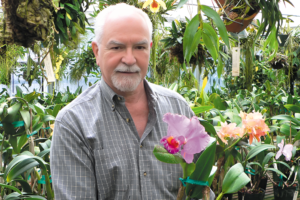


A Dutch psychiatrist who has assisted patients with severe mental health conditions in ending their lives has become the center of a growing ethical debate across Europe.
Dr. Menno Oosterhoff, a specialist in child and adolescent psychiatry, has spent years working with patients who experience extreme psychological suffering. His practice involves medically assisted death for individuals whose conditions are considered unbearable and without realistic prospects of improvement.
While euthanasia is legal in the Netherlands under strict regulations, Dr. Oosterhoff’s involvement in cases involving psychiatric disorders, particularly young patients, has sparked controversy and renewed questions about the boundaries of assisted dying laws.
The Netherlands became one of the first countries in the world to legalize euthanasia and physician-assisted suicide in 2002. Under the country’s legal framework, doctors can approve euthanasia requests if several requirements are met.
The request must be voluntary and carefully considered. The patient must be experiencing unbearable suffering with no expectation of improvement, and there must be no reasonable alternative treatment options available.
Dr. Oosterhoff primarily works with patients whose suffering is psychological rather than physical. He has argued that allowing carefully regulated psychiatric euthanasia can prevent people from taking their own lives through unsafe or traumatic methods while also ending years of suffering for those who feel they have no other options.
However, the practice remains one of the most controversial areas of modern medicine.
Supporters view doctors involved in psychiatric euthanasia as providing compassion and dignity to people facing unimaginable pain. Critics, however, argue that mental health conditions can change over time and question whether doctors can always determine when a psychiatric illness is truly irreversible.
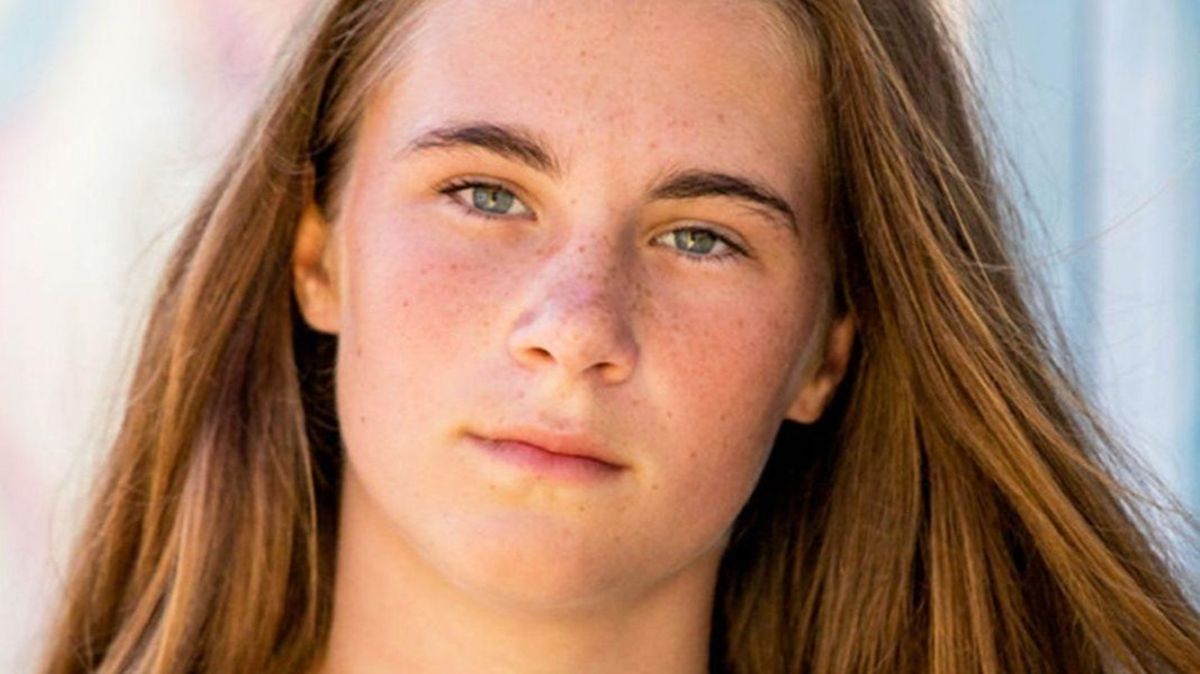
The debate intensified following a Dutch television documentary titled “Milou’s Battle Continues,” which focused on the case of a 17-year-old girl whose request for euthanasia was approved.
The case of Milou Verhoof
Milou Verhoof had experienced years of severe psychological suffering before seeking help from Dr. Oosterhoff.
According to reports, her struggles included trauma following a sexual assault when she was 13 years old, as well as the emotional impact of a serious illness that nearly took her brother’s life.
Over the years, Milou reportedly made multiple suicide attempts and struggled to receive the level of help she felt she needed.
After meeting with Dr. Oosterhoff, her case was reviewed under the Netherlands’ euthanasia guidelines.
On October 2, 2023, the procedure was carried out in her childhood bedroom while her parents were present.
Before administering the lethal medication, Dr. Oosterhoff reportedly spoke to Milou and said, “Girl, have a good trip.”
Following her death, he later attended her funeral, where he expressed sympathy for the suffering she had endured.
“You’ve been through so much,” he said.
Milou’s mother, Mireille Verhoof, defended the decision and said the family trusted the psychiatrist’s careful evaluation.
In an email statement, she explained that Dr. Oosterhoff’s approach convinced them that their daughter had reached a point where continuing life had become impossible for her.
“Because of Dr. Oosterhoff’s extremely careful and cautious approach, we as parents trusted that his conclusion — that Milou truly could not go on and that the days were unliveable for her — was the only correct one,” she said.
Growing number of psychiatric euthanasia cases
The Netherlands has seen an increase in euthanasia cases involving psychiatric suffering.
Although most euthanasia procedures in the country involve patients with terminal physical illnesses, psychiatric cases have been rising.
In 2024, the Netherlands recorded nearly 10,000 euthanasia cases overall. The number involving psychiatric conditions increased from 88 cases in 2020 to 219 cases in 2024.
The rise has intensified discussions about whether existing safeguards are strong enough, especially when patients are young or experiencing mental health crises.
Supporters argue that these cases undergo extensive evaluation and involve careful consideration from medical professionals.
Opponents warn that vulnerable patients may make irreversible decisions during periods of extreme distress and argue that more emphasis should be placed on expanding mental health treatment options.
Debate spreads beyond the Netherlands
The controversy surrounding assisted death has also reached other European countries.
In Spain, a separate high-profile case involving 25-year-old Noelia Castillo Ramos sparked a major legal and emotional debate.
Castillo Ramos became quadriplegic in 2024 after jumping from a building following a gang rape. Before her planned euthanasia procedure, she gave a television interview in which she spoke openly about her decision.
“I have four days left because on the 26 they will perform euthanasia on me,” she said.
Her decision faced legal opposition from her father, who argued that his daughter had previously struggled with mental health issues and had relied on public healthcare support before the assault.
He attempted to challenge the procedure through the courts, saying he believed her situation required further intervention rather than assisted death.
Castillo Ramos said the opposition from her family made an already painful situation even harder.
She explained that while her relatives did not support her decision, they were not the ones experiencing her daily suffering.
“None of my family is in favour of euthanasia. I am a pillar of the family. I leave them suffering. But what about my suffering?” she said.
She also argued that the wishes of family members should not outweigh the suffering of the person facing the decision.
“The happiness of a father, a mother, or a sister should not be more important than that of a daughter or the life of a daughter,” she said.
Her euthanasia request was eventually carried out, further fueling the debate over personal autonomy, medical responsibility, and the role of mental health conditions in end-of-life decisions.
As more countries examine their laws surrounding assisted death, cases like those of Milou Verhoof and Noelia Castillo Ramos continue to raise difficult questions about compassion, individual choice, and the limits of medical intervention.